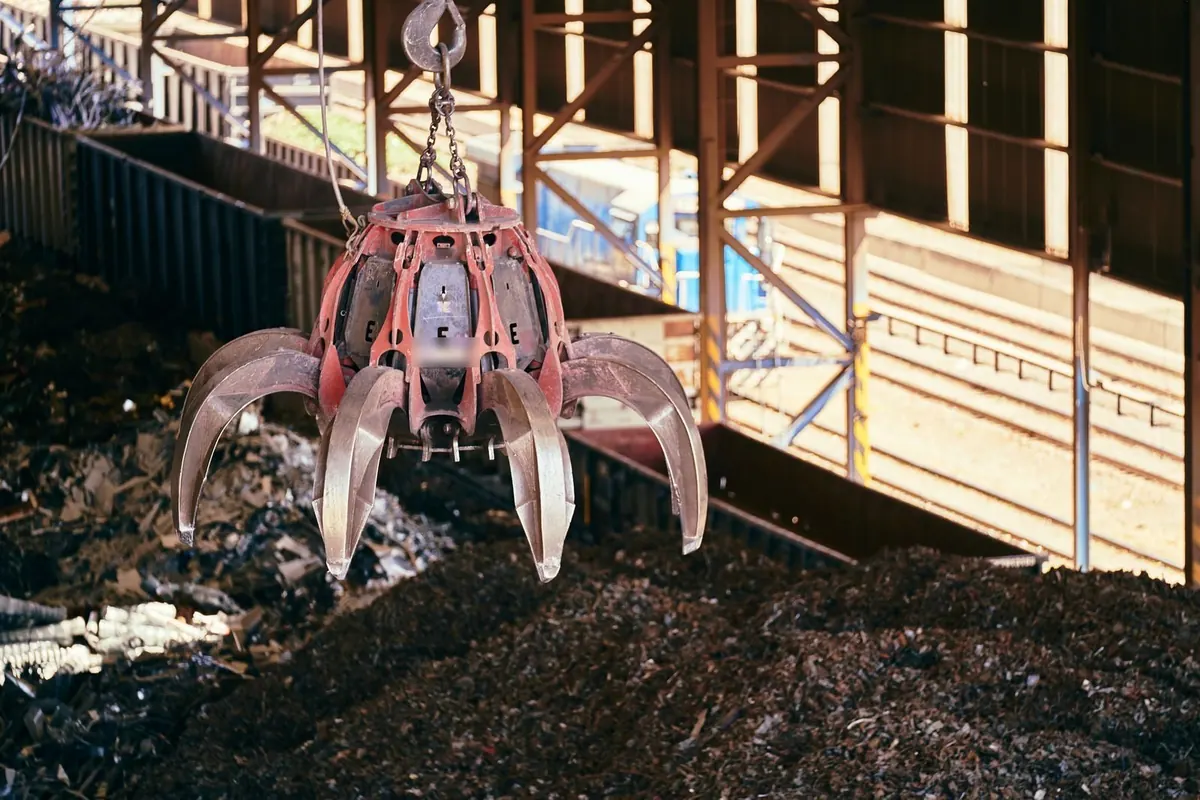
Bulky
Metals
Steel, aluminium, copper and other scrap metal.
BinsSkips, cages or scheduled pick-ups
Where it goesRecycled at scrap metal facilities
CollectionSkips, cages or scheduled pick-ups.
✓ Accepted
Steel and ironAluminiumCopper and brassMetal offcuts and equipment
✕ Not accepted
Gas cylinders (separate)Metal mixed with general waste
Save moneySeparated scrap metal can sometimes earn a rebate instead of a disposal fee.
We'll size this for youMetals needs the right containers and a licensed contractor, so we assess it with you rather than guess. Tell us roughly how much you have and we'll recommend the setup.
Compliance & paperwork. Scrap metal records and weighbridge dockets.
Common inManufacturingConstructionAutomotive
Can scrap metal earn money?Separated scrap metal can sometimes earn a rebate, depending on type and volume.
Do metals need sorting?Separating ferrous and non-ferrous metals usually improves value.